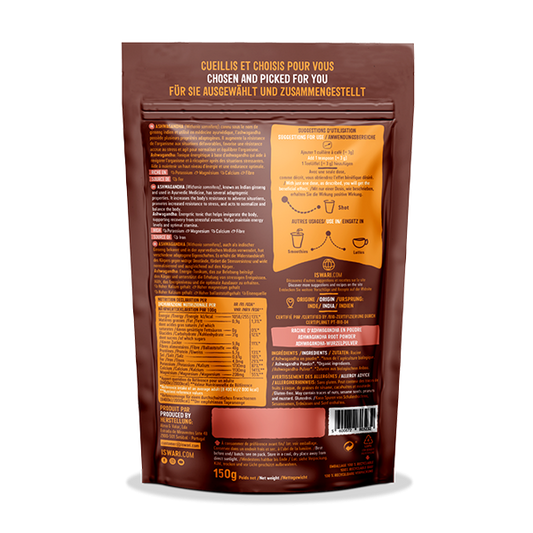
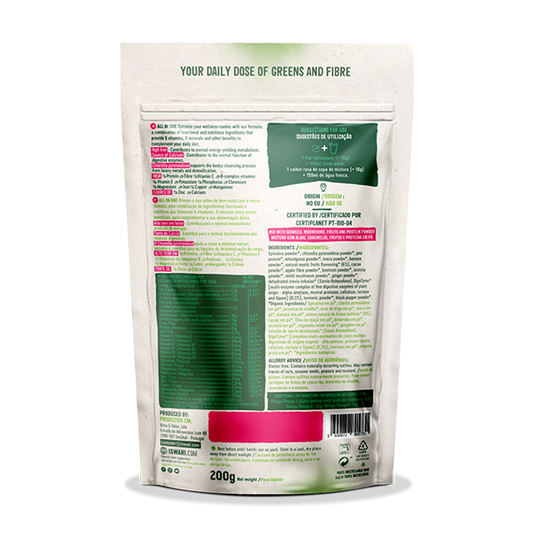
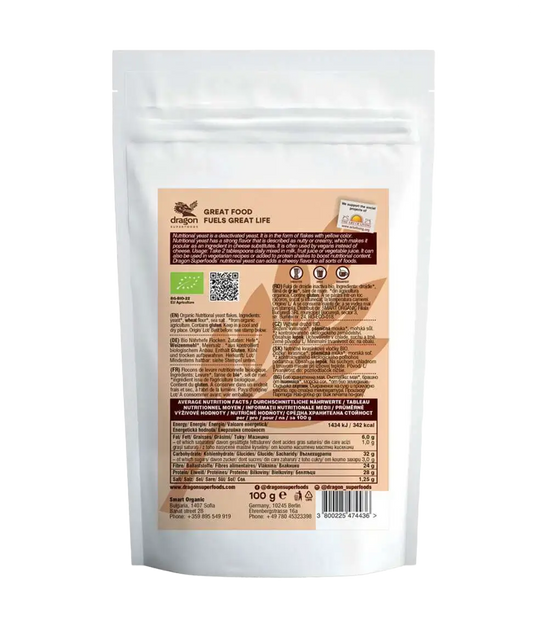
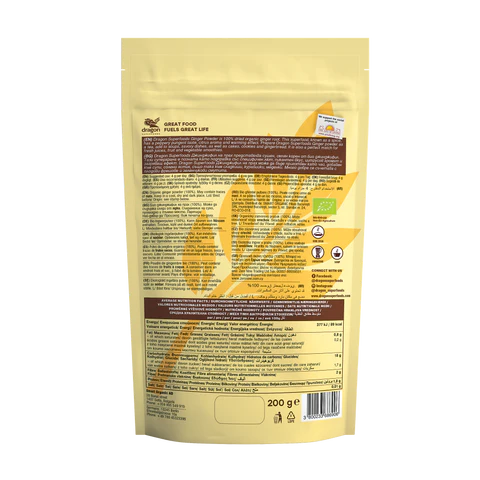
The Só Verde Immune System collection brings together natural foods and food supplements chosen for everyday immune support — from vitamin D, vitamin C and zinc to antioxidant superfoods, omega-3 and immune-friendly essential oils. Whether you are preparing for the colder months, rebuilding your energy, or simply reinforcing your daily routine, this page helps you compare the main options and choose what fits your needs. All prices are in euros, with fast delivery across Portugal.
Which nutrients support the immune system?
Your immune defences rely on a steady supply of specific vitamins and minerals. Under EU-authorised health claims, vitamin C, vitamin D, vitamin A, vitamin B6, vitamin B12, folate, zinc, selenium, copper and iron all contribute to the normal function of the immune system. Vitamin C and zinc are among the most studied for everyday resistance; vitamin D matters most during the low-sunlight autumn and winter months; and selenium and copper help protect cells from oxidative stress. A varied diet, good sleep and regular movement remain the foundation — supplements and superfoods are there to fill the gaps when intake falls short.
What you will find in this collection
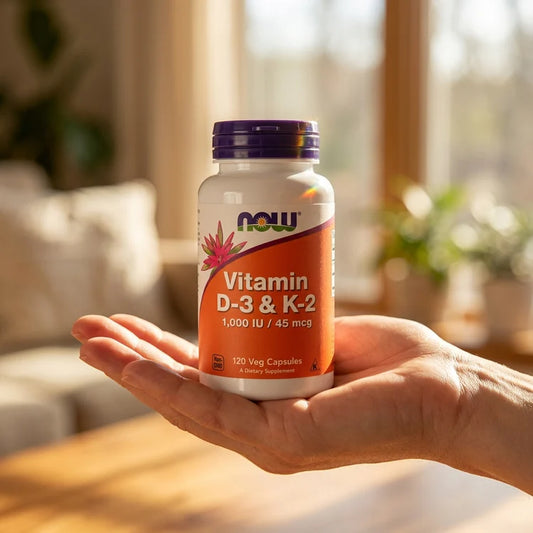
- Vitamin D formulas — including Vitamin D-3 & K-2 and high-strength D3 5000 IU, popular for autumn and winter.
- Vitamin C and zinc — buffered vitamin C complexes and zinc formulas for daily immune resistance.
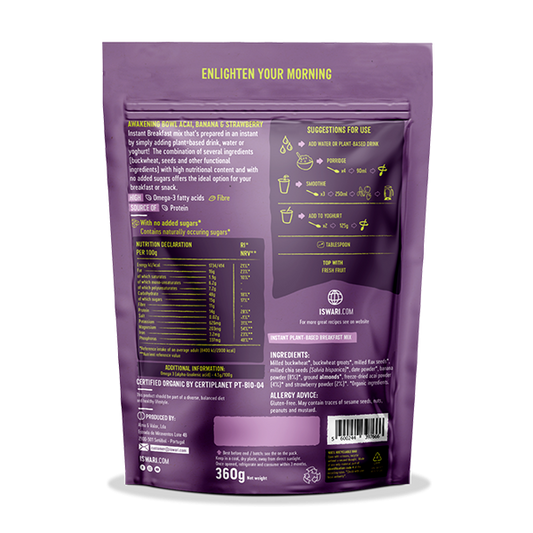
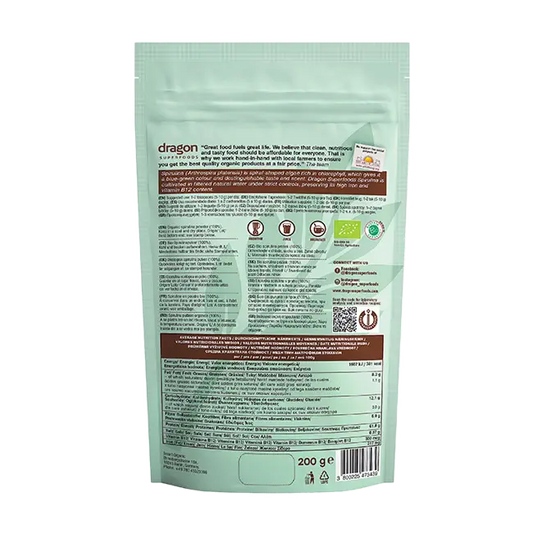
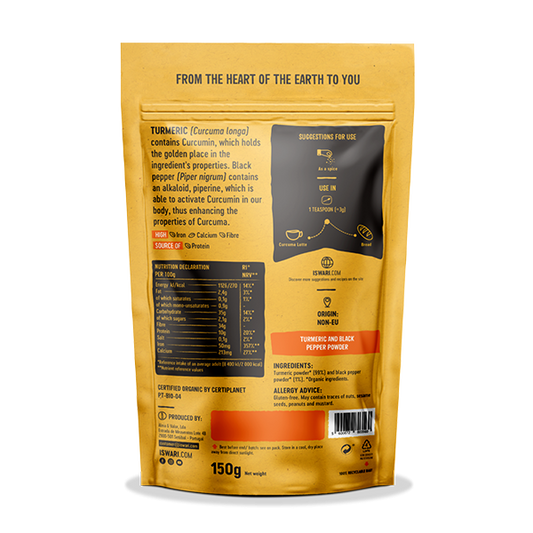
- Antioxidant superfoods — açaí, spirulina, super greens and curcuma, rich in plant antioxidants.
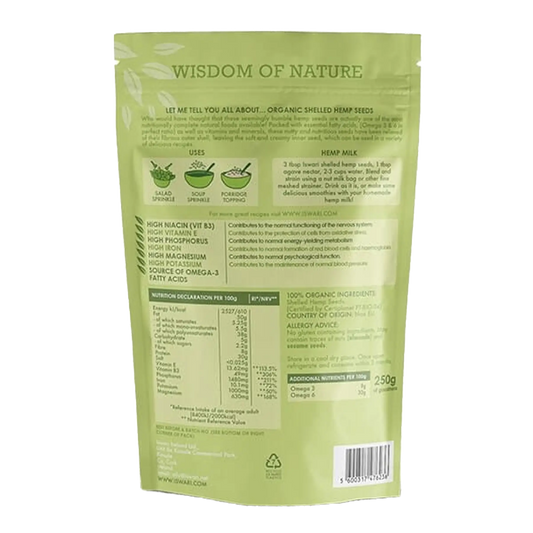
- Everyday essentials — omega-3 fish oil, hemp seeds and B-vitamins for all-round support.
- Aromatherapy — eucalyptus, peppermint and ravintsara essential oils for the cold-season home.
How to choose: immune support compared
Not sure where to start? Use this quick comparison of the most popular options in the collection — what each is best for, its format, and how it is typically used.
- Vitamin D-3 & K-2 — Best for: low-sunlight autumn and winter · Form: capsules · Key role: vitamin D supports normal immune function · Typical use: one capsule daily with a meal.
- Vitamin C-1000 Complex — Best for: daily, year-round resistance · Form: buffered tablets · Key role: vitamin C supports immune defences and reduces tiredness · Typical use: one tablet daily.
- Zinc formulas — Best for: short-term reinforcement · Form: tablets or lozenges · Key role: zinc supports normal immune function · Typical use: as labelled, without exceeding the daily dose.
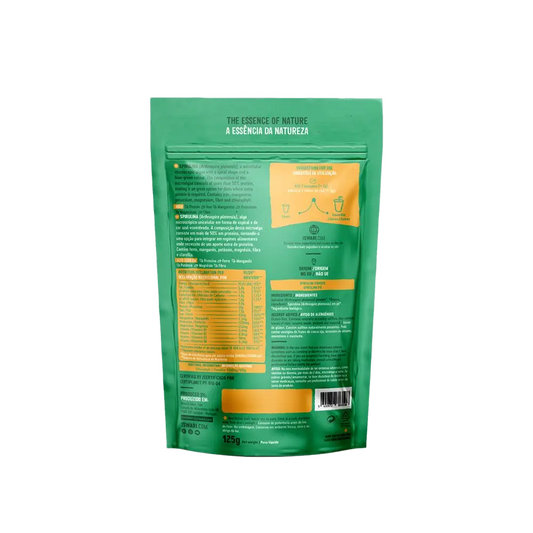
- Spirulina & Super Greens — Best for: a nutrient-dense food boost · Form: powder · Key role: antioxidant-rich whole-food source · Typical use: blended into smoothies or juice.
- Omega-3 Fish Oil — Best for: all-round wellbeing · Form: softgels · Key role: supports heart, brain and overall nutrition · Typical use: daily with food.
The Só Verde commitment
At Só Verde, every product in this collection is chosen for naturally sourced and, wherever possible, organic ingredients. We favour transparent brands, clean formulas and more sustainable packaging — so you can look after yourself and the planet at the same time. Food supplements should not be used as a substitute for a varied, balanced diet and a healthy lifestyle.